A learning programme for children aged 6–17, run by Learnlife's educator team next to ICC Kyoto while parents attend GLC. Kyoto is the classroom: markets, mascots, temples and traditions turned into challenges the kids run themselves.
Status: subject to minimum numbers. Confirmed on 15 November based on the families who say they are in.
115 families told us what the days should be about. The programme answers the top three.
Every child pitches at least once: a stall, a mascot, a prototype. They present to strangers, take feedback, and try again, with a learning guide beside them. The showcase on day three is in front of parents from sixty chapters. Confidence here is practised, not taught.
Kyoto is the material, not the backdrop: Nishiki Market, yuru-kyara mascots, traditions that evolved over generations. One Japanese hands-on block a day (taiko, onigiri, origami, a craftsman's visit) is proposed as the raw material of each challenge.
Teams are mixed across chapters from day one, and the final showcase is shared. Three days of building something together is how 8-year-olds from Dubai, Bogotá and Osaka end up on a WhatsApp group of their own.
Each group works on a single big question with Kyoto as its material, and ends with a showcase parents are invited to on day three. With two groups instead of three, the 6–10s take the first programme and the 11–17s the second.
Family, culture, favourite places, languages and stories become a map of each child's world.
Finale: the Happiness Fair, where the children bring their ideas to life and share them.
From family businesses to playful brands: how ideas travel, change and become something people want.
Finale: the children create and pitch their own pop-up stalls.
Real challenges, design thinking, the possibilities and limits of AI, and what resilience looks like in practice.
Finale: a Showcase of Entrepreneurial Ideas: pitches, prototypes and solutions.
The programme runs on conference hours so parents can attend every session. Indicative; final timings follow the GLC schedule.
Founded by EO member Christopher Pommerening in 2017, Learnlife is a learning innovation hub in Barcelona and in 2026 one of ten schools worldwide shortlisted for the World's Best School Prize for Innovation. Three hubs teach 250+ children aged 6 to 18 without grades or exams; learners show what they know in showcases and 360° feedback with parents.
They have done this before. Learnlife is Mindvalley's education partner for the Mindvalley U Youth Program, now in its second edition: a short, intense programme for the children of parents attending a global gathering, run by Learnlife guides next to the main event. Kyoto is a new city, not a new idea.
Learning by doing Passion and project-based learning in "building blocks" instead of rigid subjects. Children make something real and show it to others.
Guides, not lecturers Learning guides trained in Learnlife's own framework, used to mixed-age groups, camps and short programmes. Relationships first.
Recognised NEASC-accredited; 400+ educators trained and 40+ schools reached across 12 countries; recognised by the OECD, UCL, Forbes, Getting Smart and HundrED.
Traditional schooling is teacher-centric, curriculum-mandated and passive. Learnlife's paradigm moves learners along a path: from personalised (experiences selected for each learner) to co-created (learners shape their own experiences, reflect and share responsibility) to personal learning, where learners show agency, self-direction, self-regulation, evident responsibility and a desire to use what they learn for positive impact. In three days the Kyoto programme works at the co-created end: the children decide what to build, in teams, and own the result.
Relationships. Trust and connection are the foundation of deep learning. Every programme starts there.
Culture. With relationships in place, a strong, positive culture of learning lets a group flourish.
Purpose. Children thrive when their learning feels meaningful; purpose is what engages them deeply.
Lifelong learning. Habits and self-awareness that empower learners far beyond school.
Learnlife uses building blocks instead of rigid subjects: units designed to promote learner agency (choice, voice, ownership), to be authentic and real-world oriented, and to mix methodologies so learners explore different ways of learning. Blocks are tweaked to the actual group, its needs and passions. In Kyoto, the blocks are Japanese: a market, a mascot, a temple, a brief from a real business.
No grades, no exams. Learners collect and create outputs that demonstrate what they can do, present them, and self-assess alongside their learning guide. At the hubs this means a showcase every cycle, a Learning Vitae as the running record, and 360s with parents. In Kyoto, each group ends with its own showcase on day three, and parents are invited.
Learnlife's Competency Model combines 26 research-backed methodologies and is aligned with the Catalan Ministry of Education. Source: Learnlife "Inspiring a love of learning" brochure and Primary Competency Framework.
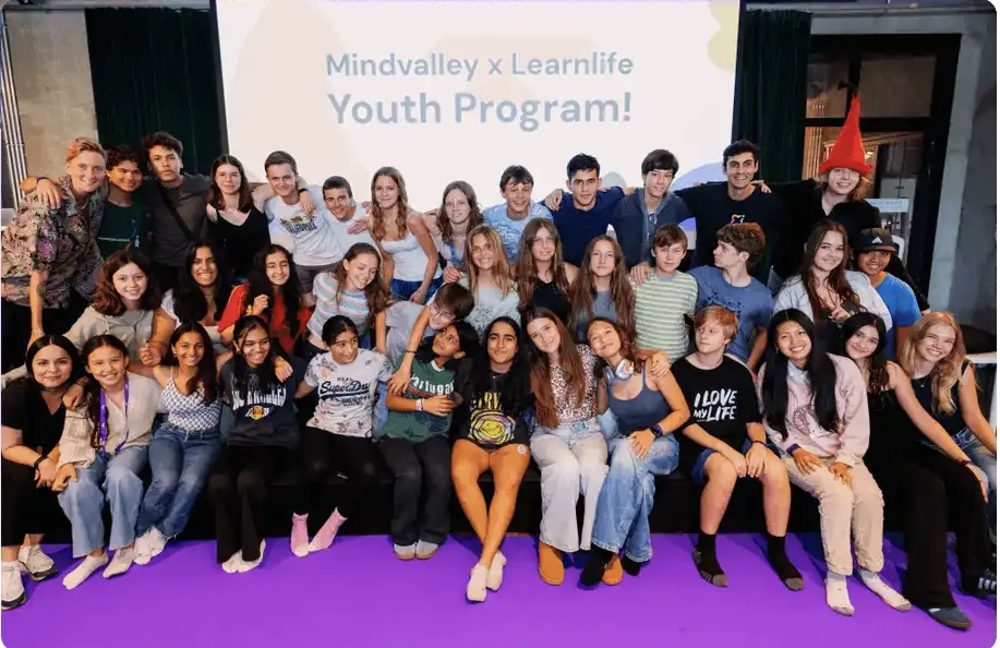
Learnlife educators, one adult per 8–10 children, never fewer than two adults per room. Parent and partner volunteers can take half-day shifts on top; nobody has to.
At the hotel next to ICC Kyoto, on foot. Doors open 8:45; pick-up from 17:00, flexible to the conference close. Only named adults collect.
Lunch and two snacks each day, included in the price. Allergies and dietary needs collected at registration. Parents welcome to join lunch when the GLC agenda allows.
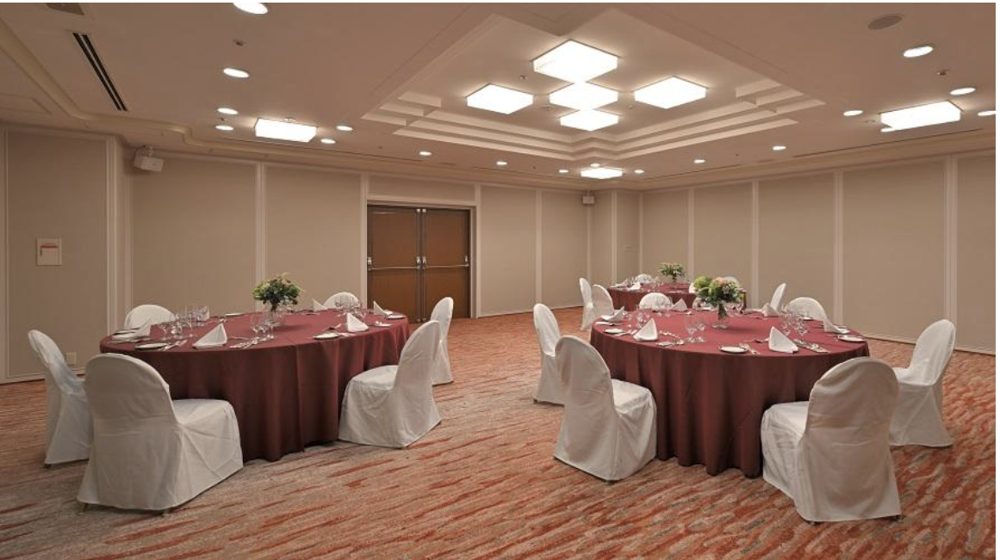
Proposed: meeting rooms at The Prince Kyoto Takaragaike (80–130 m² each), with outdoor time in the park. Being confirmed
Final room allocation, exact timings against the GLC agenda, the Japanese hands-on activities with local partners, and insurance details. All to be settled before registration opens.
Younger children join the family gatherings with a parent or caregiver; 18+ belong with MyEO Next Gen.

Enough children. The programme needs a minimum number of children aged 6–17 whose families say they are in. That count comes from the form.
The venue. Rooms confirmed next to ICC Kyoto on terms that fit an at-cost price.
A small team. Three or four parents or partners alongside Learnlife for the practical pieces.
Then: we announce go / no-go right after 15 November. If it goes ahead, Learnlife opens registration and payment directly with each family. If not, family gatherings during GLC go ahead anyway.
This is a MyEO initiative, by members for members, not an EO event. Under EO's MyEO policies it runs strictly at cost: Learnlife charges families only its direct costs of delivering the three days (educator team, travel and accommodation, substitute cover in Barcelona, materials, insurance, lunch), with no margin. Nobody organising it is paid. Families contract and pay Learnlife directly; EO and MyEO Families collect no money.
Disclosure. Damien Bruneau, who chairs MyEO Families, is an investor and advisor in Learnlife. This is disclosed here and to EO Barcelona; he takes no fee or benefit from the programme. Learnlife takes part as the educator team only and does not promote its schools to participating families. All participants sign the MyEO participant waiver.
Tell us whether your children would join. Five minutes, one response per family. Your answer by 15 November is what confirms the programme.